Cash-Out Refinance vs. HELOC: Which is the Best Strategy for US Homeowners? sets the stage for this enthralling narrative, offering readers a glimpse into a story that is rich in detail with casual formal language style and brimming with originality from the outset.
When it comes to making financial decisions about your home, understanding the differences between Cash-Out Refinance and HELOC can make a significant impact on your overall financial well-being. Let's delve into the details to help you make an informed choice.
Cash-Out Refinance
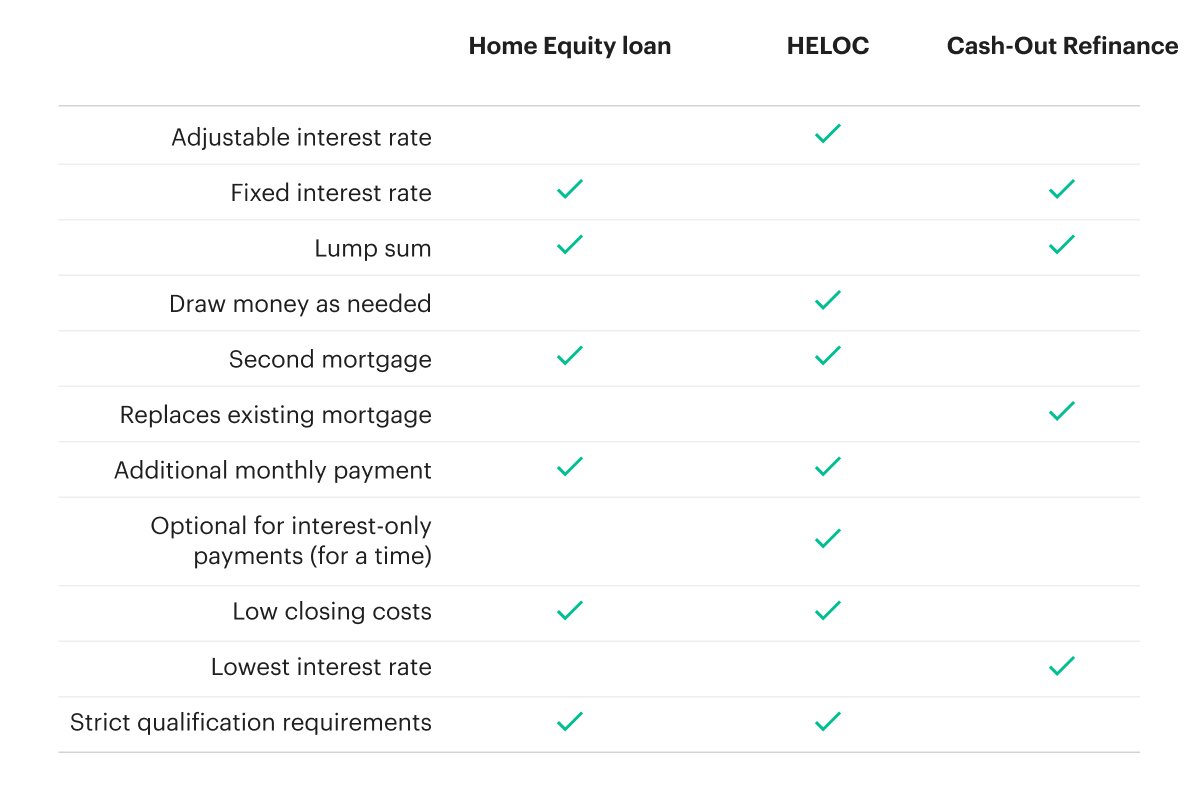 When homeowners choose to do a cash-out refinance, they essentially take out a new mortgage that is larger than their existing one. The difference between the two amounts is given to the homeowner in cash, which can then be used for various purposes such as home improvements, debt consolidation, or other financial needs.
Benefits of Cash-Out Refinance
- Access to cash: Homeowners can tap into their home equity and use the cash for important expenses or investments.
- Potential lower interest rates: Cash-out refinance loans often come with lower interest rates compared to other types of loans like personal loans or credit cards.
- Tax-deductible interest: In many cases, the interest paid on a cash-out refinance loan may be tax-deductible, providing potential tax benefits for homeowners.
Potential Risks of Cash-Out Refinance
- Increased debt: By taking out a larger loan, homeowners may end up with more debt and higher monthly payments.
- Risk of foreclosure: If homeowners are unable to make the increased payments, they could be at risk of losing their home through foreclosure.
- Closing costs: Cash-out refinance loans often come with closing costs, which can add to the overall expense of the loan.
Interest Rates Comparison
When comparing interest rates, cash-out refinance loans typically have lower interest rates compared to other options like personal loans or credit cards. Additionally, the interest rates for cash-out refinance loans may be tax-deductible, providing further savings for homeowners.HELOC (Home Equity Line of Credit)
A Home Equity Line of Credit (HELOC) is a type of loan that allows homeowners to borrow against the equity in their homes. Unlike a cash-out refinance, a HELOC operates similarly to a credit card, where you have a line of credit that you can draw from as needed, up to a certain limit, and you only pay interest on the amount you borrow.Examples of Situations Where a HELOC Might be a Better Option
- If you have a low interest rate on your current mortgage and do not want to refinance at a higher rate, a HELOC can be a good option to access funds.
- For homeowners who need to access funds periodically for ongoing expenses, such as home renovations or education costs, a HELOC provides flexibility to borrow as needed.
- In situations where you anticipate needing funds in the future but are unsure of the exact amount or timing, a HELOC can be a more cost-effective option compared to a lump sum cash-out refinance.
Advantages of Choosing a HELOC over a Cash-Out Refinance
- Flexibility: With a HELOC, you can borrow funds as needed, only paying interest on the amount you use.
- Potential lower closing costs: HELOCs typically have lower closing costs compared to a cash-out refinance.
- Retain current mortgage terms: If you have a favorable interest rate on your current mortgage, a HELOC allows you to keep those terms intact.
Risks and Considerations Specific to HELOCs
- Variable interest rates: HELOCs often have variable interest rates, which means your monthly payments can fluctuate based on market conditions.
- Potential for payment shock: If interest rates rise, your monthly payments on a HELOC could increase significantly, so it's important to budget for potential payment increases.
- Risk of foreclosure: If you are unable to make payments on your HELOC, you risk losing your home through foreclosure, similar to a traditional mortgage.
Eligibility and Requirements
When it comes to accessing the equity in your home through a cash-out refinance or a HELOC, there are specific eligibility criteria and requirements you need to meet. Let's take a closer look at what it takes to qualify for each option and how credit scores and home equity play a role in the process.
Cash-Out Refinance Eligibility
A cash-out refinance typically requires you to have a good credit score, usually 620 or higher, although some lenders may require a higher score. You also need to have a certain amount of equity built up in your home, usually at least 20% to 30%.
HELOC Requirements
To qualify for a HELOC, lenders will look at your credit score, which typically needs to be 620 or higher. In addition, you need to have a reasonable amount of equity in your home, usually around 15% to 20%. Some lenders may require a lower credit score if you have a higher amount of equity in your home.
Comparison of Eligibility Criteria and Requirements
- Cash-Out Refinance:
- Good credit score (620 or higher)
- 20% to 30% equity in your home
- HELOC:
- Credit score of 620 or higher
- 15% to 20% equity in your home
Role of Credit Scores and Home Equity
Both credit scores and home equity play a crucial role in determining your eligibility for a cash-out refinance or a HELOC. Lenders use your credit score to assess your creditworthiness and ability to repay the loan. A higher credit score can help you secure better terms and lower interest rates.
Home equity is the difference between the current market value of your home and the amount you owe on your mortgage. The more equity you have, the more flexibility you may have in accessing funds through a cash-out refinance or a HELOC. Lenders consider home equity as a measure of your financial stability and ability to handle additional debt.
Financial Implications
When considering a cash-out refinance or a HELOC, it's important to understand the financial implications of each option.
Cash-Out Refinance Impact on Mortgage Payment Structure
A cash-out refinance involves replacing your existing mortgage with a new one that is higher than what you currently owe, allowing you to receive the difference in cash. This means your mortgage payment will increase as you are borrowing more money against your home's equity.
HELOC Impact on Homeowner's Financial Situation
A HELOC, on the other hand, is a line of credit that allows you to borrow against the equity in your home up to a certain limit. This can impact a homeowner's financial situation by providing access to funds when needed, but it also adds an additional monthly payment that can fluctuate based on interest rates and the amount borrowed.
Scenarios Where One Option Might be More Financially Viable
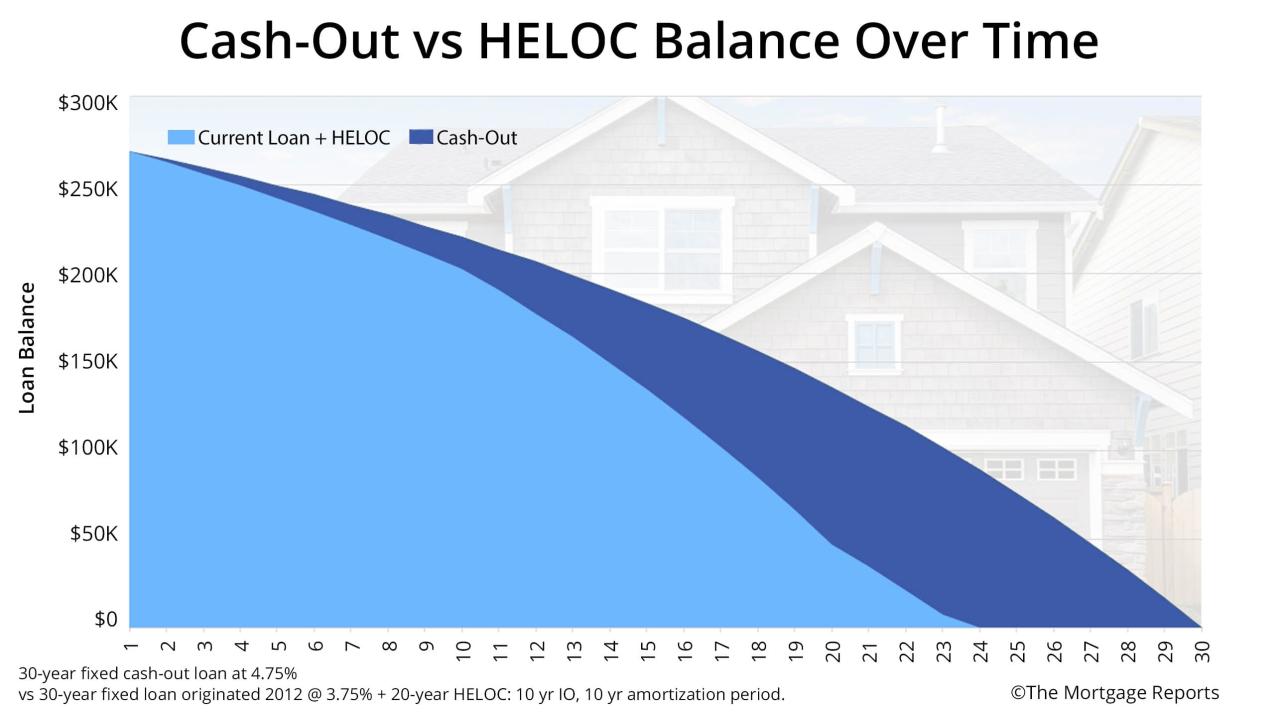
- If you need a large sum of money upfront for a major expense, such as a home renovation, a cash-out refinance might be more financially viable due to potentially lower interest rates compared to a HELOC.
- However, if you need access to funds over a longer period and want the flexibility to borrow as needed, a HELOC could be a better option as you only pay interest on the amount you use.
Tax Implications of Cash-Out Refinancing vs. HELOC
With a cash-out refinance, the interest you pay on the additional amount borrowed may be tax-deductible if the funds are used for home improvements. On the other hand, the interest on a HELOC may also be tax-deductible if the funds are used for home-related expenses, but the Tax Cuts and Jobs Act of 2017 placed limits on the deductibility of home equity loan interest.
Application Process and Timeline
 When it comes to applying for a cash-out refinance or a HELOC, the process can vary in terms of documentation requirements, timeline, and access to funds. Let's dive into the details of each to help you understand the application process and timeline involved.
Cash-Out Refinance Application Process
- Start by contacting a lender and completing an application.
- Provide documentation such as income verification, credit history, and property appraisal.
- Wait for the lender to review your application and approve the refinance.
Cash-Out Refinance Timeline
- The timeline for getting approved for a cash-out refinance can vary but typically takes anywhere from 30 to 45 days.
- Factors such as the complexity of your financial situation and the lender's workload can impact the timeline.
HELOC Application Process
- Apply for a HELOC through a lender or financial institution.
- Submit documentation such as income verification, credit score, and property appraisal.
- Wait for the lender to approve your application and establish the line of credit.
HELOC Timeline
- The timeline for securing a HELOC is typically faster than a cash-out refinance, often taking around 2 to 4 weeks.
- HELOCs may have a simpler application process and quicker approval compared to a cash-out refinance.
Access to Funds Comparison
- A cash-out refinance provides a lump sum of cash upfront, which can take longer to receive but is typically a one-time disbursement.
- On the other hand, a HELOC allows you to access funds as needed, similar to a credit card, providing more flexibility but potentially slower access initially.
Last Word
In conclusion, the choice between Cash-Out Refinance and HELOC ultimately depends on your individual financial goals and circumstances. By weighing the benefits, risks, and eligibility criteria of each option, homeowners can make a strategic decision that aligns with their needs. Whether you choose to tap into your home equity through a Cash-Out Refinance or a HELOC, it's essential to consider the long-term implications and consult with financial experts if needed.
Helpful Answers
What is the main difference between Cash-Out Refinance and HELOC?
Cash-Out Refinance provides a lump sum of cash upfront, while HELOC allows homeowners to access a line of credit as needed.
How do credit scores affect eligibility for Cash-Out Refinance and HELOC?
Credit scores play a crucial role in determining eligibility for both options. Typically, higher credit scores result in better terms and lower interest rates.
Are there any tax implications to consider when choosing between Cash-Out Refinance and HELOC?
Interest paid on a Cash-Out Refinance is tax-deductible if the funds are used to improve the home, whereas the interest on a HELOC is only deductible if the funds are used for home improvements.