Kicking off with Refinancing a Home Loan in Germany (Umschuldung): How to Secure Lower Interest Rates, this opening paragraph is designed to captivate and engage the readers, providing an intriguing overview of the topic.
The following paragraph will delve into the specifics and details of the subject matter.
Understanding Refinancing in Germany
Refinancing a home loan in Germany refers to the process of replacing an existing mortgage with a new loan that has better terms, such as a lower interest rate. This can help homeowners save money on their monthly payments and overall interest costs. There are several benefits to refinancing a home loan in Germany. Firstly, it can allow homeowners to take advantage of lower interest rates, especially if the current market conditions are more favorable than when the original loan was taken out. Additionally, refinancing can help homeowners lower their monthly payments, improve their cash flow, and potentially shorten the loan term. One key difference between refinancing practices in Germany compared to other countries is the prevalence of fixed-rate mortgages. In Germany, it is common for homeowners to opt for fixed-rate loans, providing them with stability and predictability in their monthly payments. This contrasts with countries where adjustable-rate mortgages are more popular, leading to potential fluctuations in monthly payments based on market conditions.Fixed vs. Adjustable-Rate Mortgages
In Germany, fixed-rate mortgages are the norm, offering homeowners the security of knowing their monthly payments will remain constant throughout the loan term. This stability can be especially beneficial during times of economic uncertainty or rising interest rates. On the other hand, in countries where adjustable-rate mortgages are common, homeowners may experience fluctuations in their monthly payments, making it harder to budget and plan for the future.Regulatory Environment
Germany has strict regulations in place to protect both lenders and borrowers in the mortgage market. These regulations aim to ensure transparency, fairness, and stability in the housing finance sector. For example, German lenders are required to conduct thorough assessments of borrowers' creditworthiness to prevent defaults and ensure responsible lending practices.Eligibility and Requirements
When considering refinancing a home loan in Germany, there are specific eligibility criteria and requirements that need to be met in order to secure lower interest rates.
Eligibility Criteria
In Germany, to be eligible for refinancing a home loan, individuals must have a good credit history and a stable source of income. Lenders will also consider the loan-to-value ratio of the property being refinanced.
Required Documents
- Proof of income: Recent pay stubs, tax returns, and/or bank statements
- Credit report: Showing a good credit score and history of timely payments
- Property documents: Title deed, property valuation report, and mortgage statement
- Proof of identity: Passport or ID card
Credit Score and Income Thresholds
While specific credit score requirements may vary among lenders, generally a credit score of 650 or above is considered favorable for refinancing in Germany. Additionally, lenders may require a debt-to-income ratio of 43% or lower to qualify for lower interest rates.
Securing Lower Interest Rates
When it comes to refinancing a home loan in Germany, securing lower interest rates can lead to significant savings over the life of the loan. Here are some strategies to help you negotiate better rates and find the best deals for refinancing.Comparing Different Lenders
- Research and compare interest rates offered by different lenders in Germany.
- Consider both traditional banks and online lenders to find the most competitive rates.
- Look for special promotions or discounts that may be available for refinancing customers.
Negotiating with Your Current Lender
- Contact your current lender to discuss the possibility of lowering your interest rate.
- Highlight your good credit history, stable income, and positive payment record to strengthen your negotiation position.
- Be prepared to switch lenders if your current lender is not willing to offer a lower rate.
Improving Your Credit Score
- Take steps to improve your credit score before applying for refinancing.
- Pay off outstanding debts, make payments on time, and avoid opening new lines of credit.
- A higher credit score can help you qualify for lower interest rates when refinancing your home loan.
Umschuldung Process
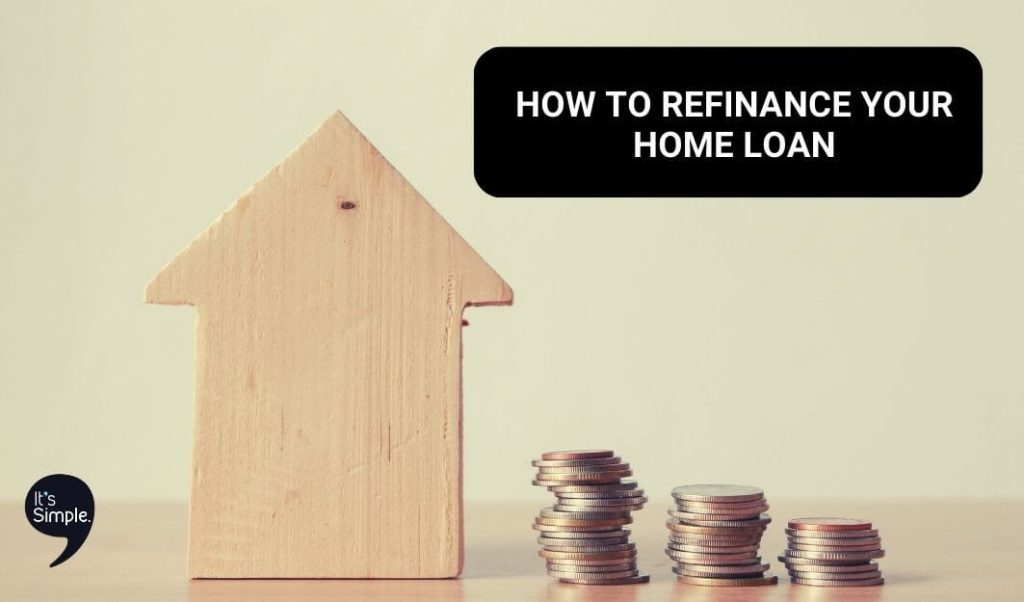 When it comes to refinancing a home loan in Germany, the Umschuldung process involves several key steps that borrowers need to navigate. Understanding this process is crucial in order to secure lower interest rates and potentially save money over the long term.
Step-by-Step Process
- Evaluate Current Loan: The first step is to assess your current loan terms, interest rates, and repayment schedule to determine if refinancing is a viable option.
- Research Lenders: Research different lenders and compare their Umschuldung offers to find the best deal with lower interest rates and favorable terms.
- Submit Application: Once you have chosen a lender, you will need to submit an application for Umschuldung, providing all necessary documentation and financial information.
- Undergo Credit Check: Lenders will conduct a credit check to assess your creditworthiness and determine the new loan terms.
- Receive Offer: If approved, you will receive a refinancing offer detailing the new loan terms, including interest rates, repayment schedule, and any associated fees.
- Sign Agreement: After reviewing the offer, you can accept the new terms by signing the loan agreement, officially completing the Umschuldung process.
Legal and Regulatory Aspects
- Compliance: Borrowers should ensure compliance with all legal and regulatory requirements throughout the Umschuldung process to avoid any potential issues.
- Consumer Protection: German laws provide consumer protection measures to safeguard borrowers' rights and ensure fair treatment by lenders during refinancing transactions.
- Transparency: Lenders are required to provide transparent information about loan terms, fees, and conditions to borrowers, promoting informed decision-making.
Timeline and Duration
- Timeline: The Umschuldung process in Germany typically takes several weeks to complete, depending on the lender, documentation requirements, and individual circumstances.
- Duration: From the initial application to the final signing of the loan agreement, borrowers can expect the refinancing transaction to be finalized within 4-8 weeks on average.
Ending Remarks
Wrapping up our discussion on Refinancing a Home Loan in Germany (Umschuldung): How to Secure Lower Interest Rates, we provide a concise summary of the key points discussed, leaving readers with a lasting impression.
Q&A
What are the eligibility criteria for refinancing a home loan in Germany?
The eligibility criteria typically include having a good credit score, stable income, and the ability to repay the refinanced loan.
How can one negotiate lower interest rates when refinancing a home loan in Germany?
Negotiating lower interest rates involves comparing offers from different lenders, highlighting your creditworthiness, and possibly using a mortgage broker to secure better deals.
What is the Umschuldung process in Germany?
The Umschuldung process involves paying off an existing loan with a new loan that has better terms, such as lower interest rates or monthly payments.